Why Does My Pet’s Breath Smell? What It Really Means
If your dog or cat’s breath has started to make you wince, it is easy to assume it is just “normal pet breath.” It is not. At Hilton Veterinary Hospital and Specialist Referral Centre, we see this assumption every week, and it is one of the most common reasons dental disease goes undiagnosed until it is advanced.
Bad breath, dark discolouration on the teeth or gums and excessive drooling are not cosmetic issues. They are signals. And in most cases, what is visible in the mouth is only a small part of what is actually happening beneath the surface.
Why “It’s Just Bad Breath” Can Be Costly
Pet owners are not to blame for missing the early signs of dental disease. Many of the symptoms are subtle, gradual or easy to write off as quirks of ageing or breed.
Common signs that owners often overlook include:
- Persistent bad breath (halitosis)
- Dark spots, brown staining or visible tartar build-up
- Red, swollen or bleeding gums
- Drooling more than usual, sometimes with blood
- Pawing at the face or rubbing against furniture
- Reluctance to chew or dropping food while eating
- Reduced appetite or slower eating
- Visible swelling under the eye or along the jaw
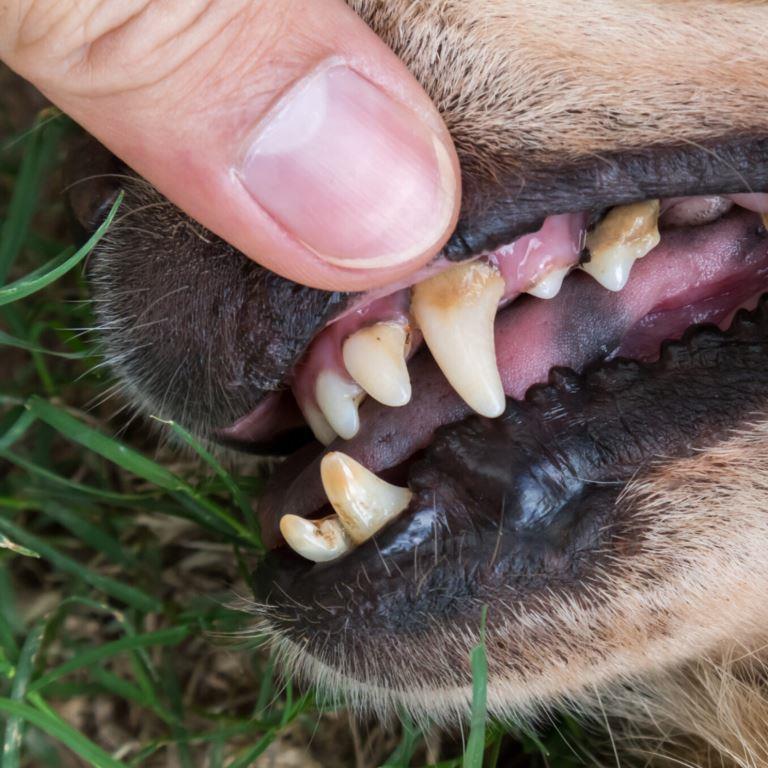
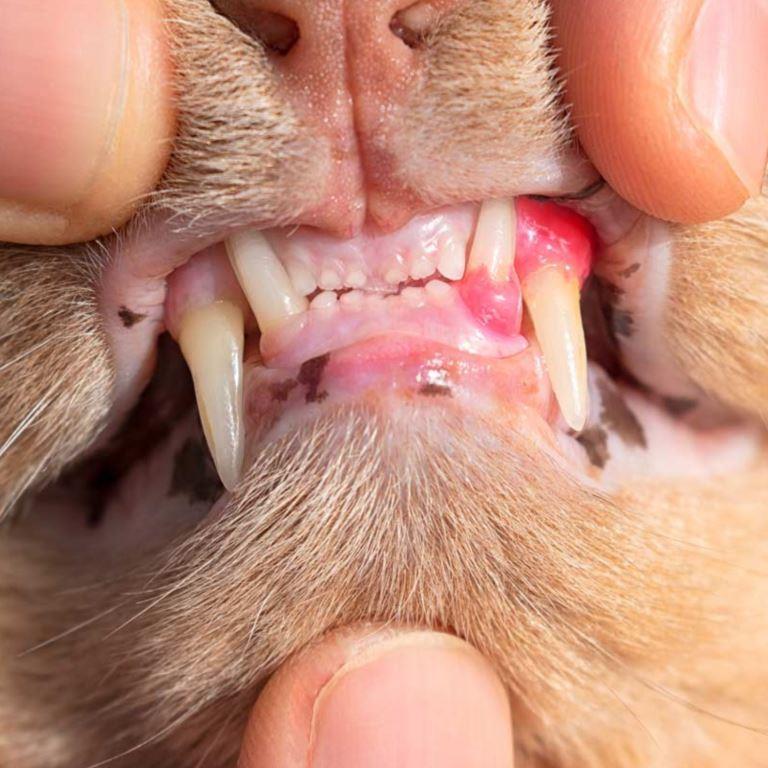
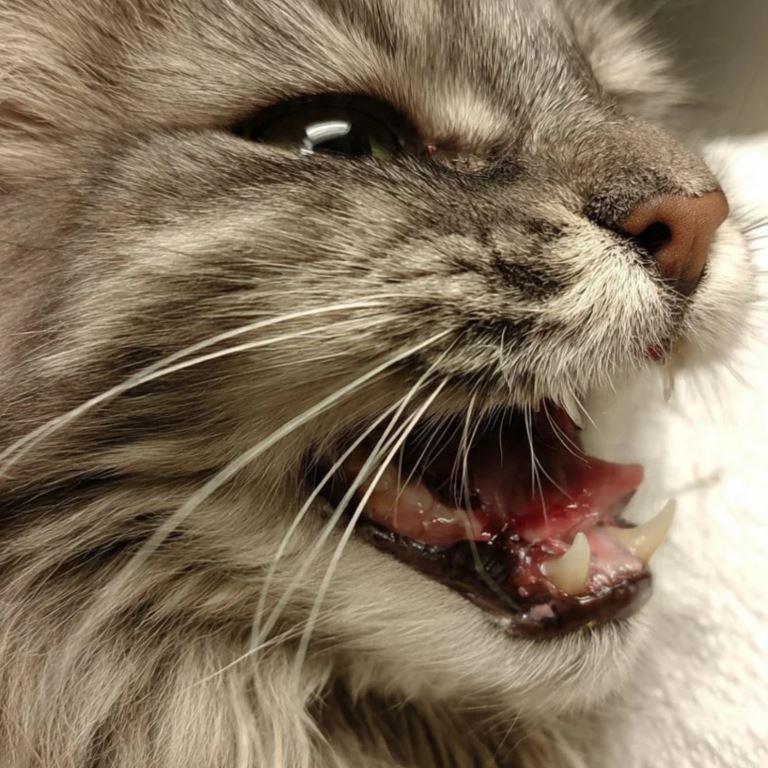
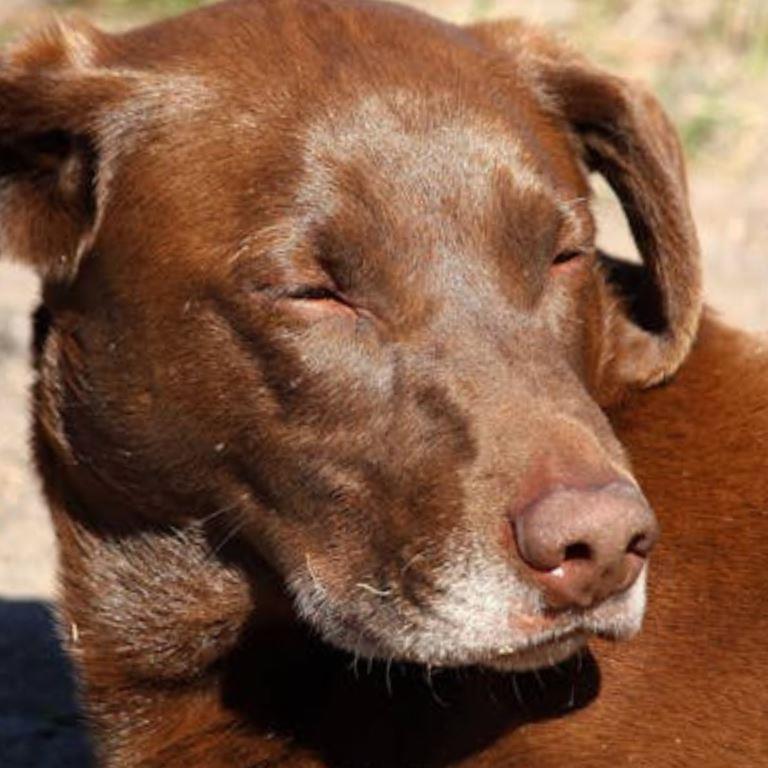
By the time most of these signs are obvious enough to prompt a vet visit, the underlying disease has usually been progressing for months, often well beneath the gumline where it cannot be seen during a routine check-up. The longer it goes unnoticed, the more advanced it becomes, and the more involved and expensive treatment is likely to be. Catching it early is almost always simpler, gentler on your pet and lighter on your wallet than catching it late.
This matters beyond the mouth. Chronic oral infection and inflammation place ongoing strain on the body, and have been linked to effects on the cardiovascular, renal and hepatic systems, slower recovery from illness and a higher overall susceptibility to disease. Dental health is not separate from general health. It is part of it.
What’s Really Happening Beneath the Gumline
A visual exam can tell a vet a lot, but it cannot tell the whole story. Periodontal disease, resorptive lesions, bone loss and abscesses frequently develop below the gum line, in places that no amount of looking inside the mouth will reveal.
This is exactly why pet dental disease has historically been so easy to underestimate. More than 60% of each tooth lies hidden beneath the gum, where most disease and pain originates. The visible portion can look almost normal while serious pathology develops around the roots and within the jaw. In fact, an estimated 70% of dogs have some level of dental disease by the age of two, much of it invisible without a closer look.
To diagnose accurately, we need to see what the eye cannot.
A First for South Africa: AI-Assisted Dental Imaging
Hilton Veterinary Hospital and Specialist Referral Centre is the first facility in South Africa to introduce AI-assisted dental imaging into clinical practice, led by Dr Sarah Halgreen.
The system is trained to identify over 60 oral and dental pathologies, supporting our team in interpreting radiographs and clinical photographs with a level of consistency that strengthens every stage of diagnosis and treatment planning. Photographs taken during examination, including images our team or pet owners have captured, can be integrated directly into the patient record, building a more complete diagnostic picture over time.
In practical terms, this means:
- Early or subtle disease is far less likely to be missed
- Owners can see exactly what we see, turning a complex diagnosis into a clear, visual conversation
- Treatment plans are based on objective findings, not just visible symptoms
- Referring vets receive a more detailed, evidence-based case history
This is the same principle behind the advanced CT imaging we use for complex airway and orthopaedic cases. The technology changes, but the goal stays the same: treat what is actually happening, not just what is visible on the surface.
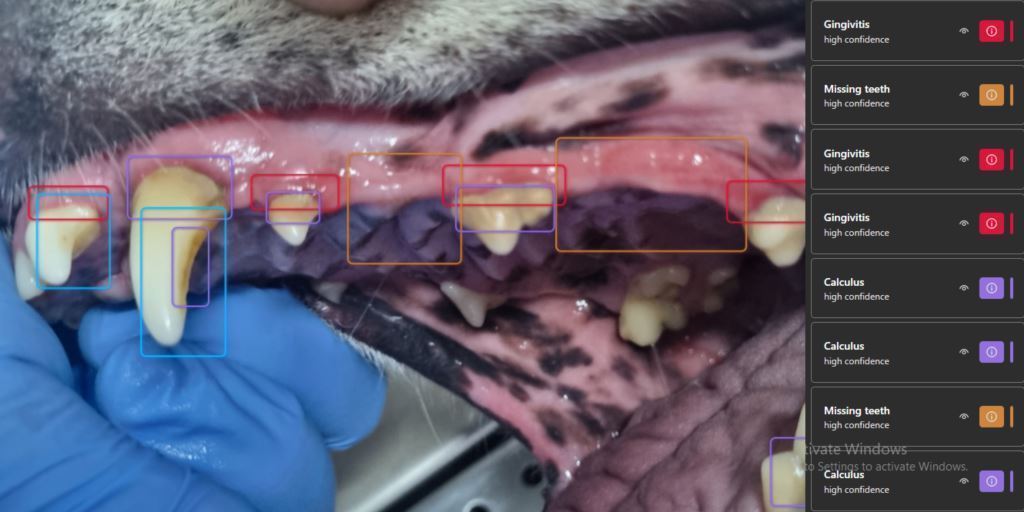
Want to learn more about how AI is transforming veterinary dentistry? Read our in depth LinkedIn post, AI is changing how we diagnose dental disease in pets, for a closer look at how this technology is improving diagnostic accuracy, client communication and patient outcomes.
How a Dental Assessment Works
When a pet is showing signs of dental disease, we do not simply “look and scale.” A proper dental special assessment is a structured, specialist-level process:
- A thorough pre-anaesthetic check to confirm your pet is fit for the procedure
- Pre-anaesthetic blood tests
- A dental CT scan for detailed, structured imaging of the teeth, roots and jaw
- A basic oral examination under gentle sedation
- AI-supported analysis of radiographs and clinical photographs to flag pathology that may otherwise be missed
- A tailored treatment plan, which may include scaling, polishing, extraction of compromised teeth and comprehensive preventative care
Every procedure uses modern anaesthetic protocols, continuous monitoring and IV fluids, minimising risk and supporting a safe, comfortable recovery.
What Dental Disease Grading Actually Means
Veterinary dentists grade periodontal disease on a standard scale, and understanding it can help you act sooner rather than later:
| Grades | Canine | Feline |
| Grade 0: Healthy, no plaque or gingivitis | 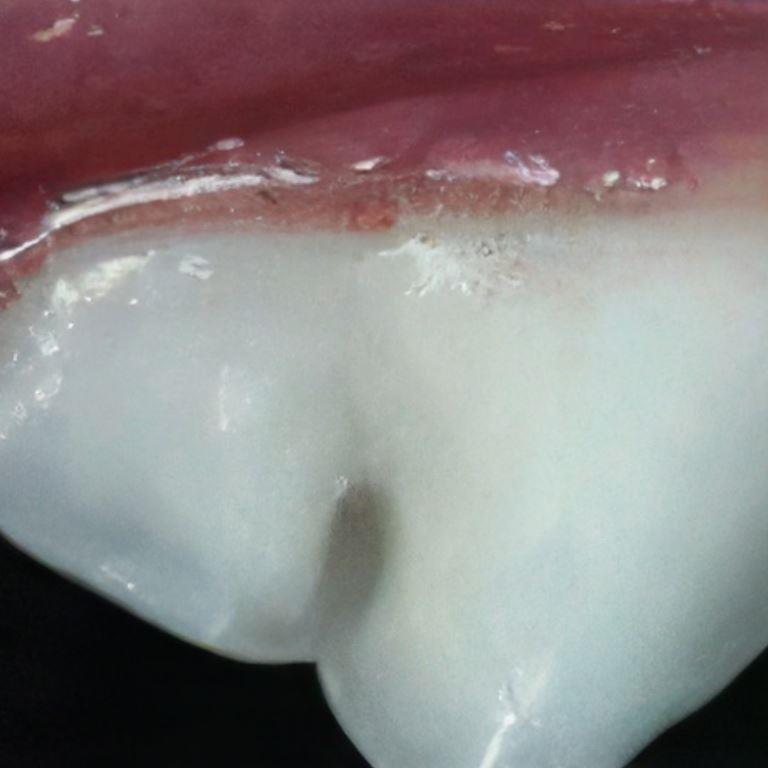 | 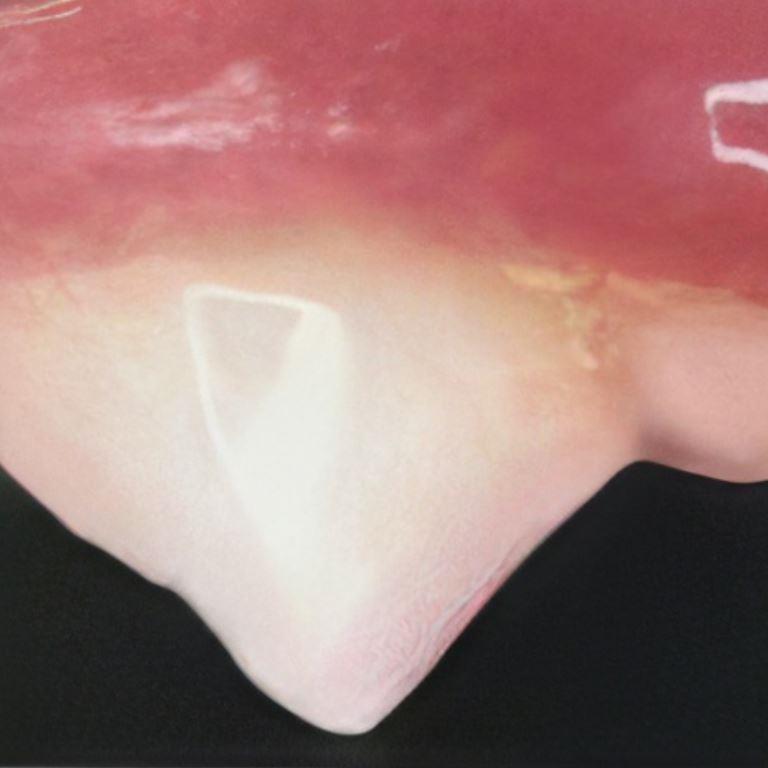 |
| Grade 1: Mild gingivitis and plaque present; often reversible with brushing and appropriate dental care | 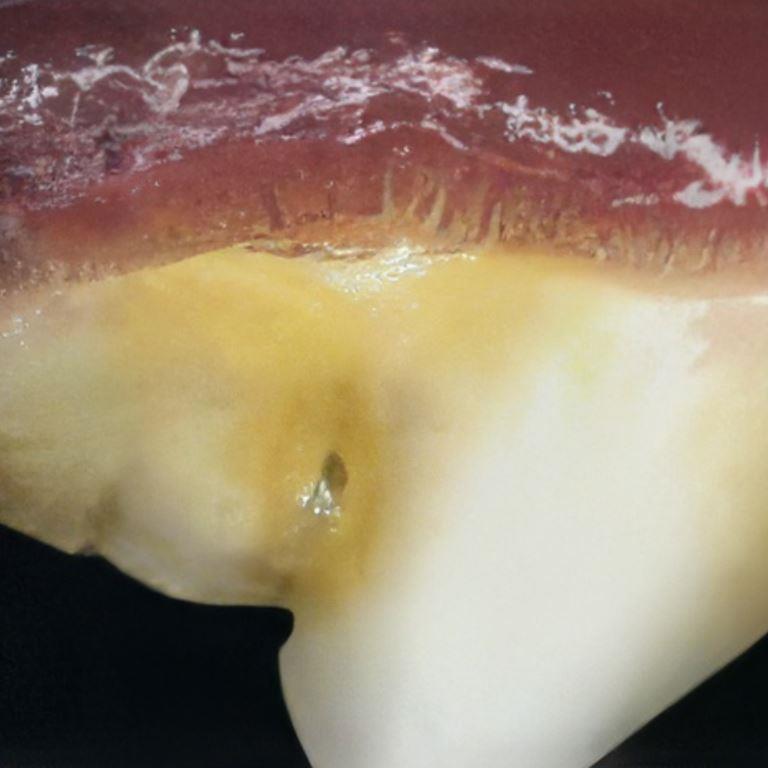 | 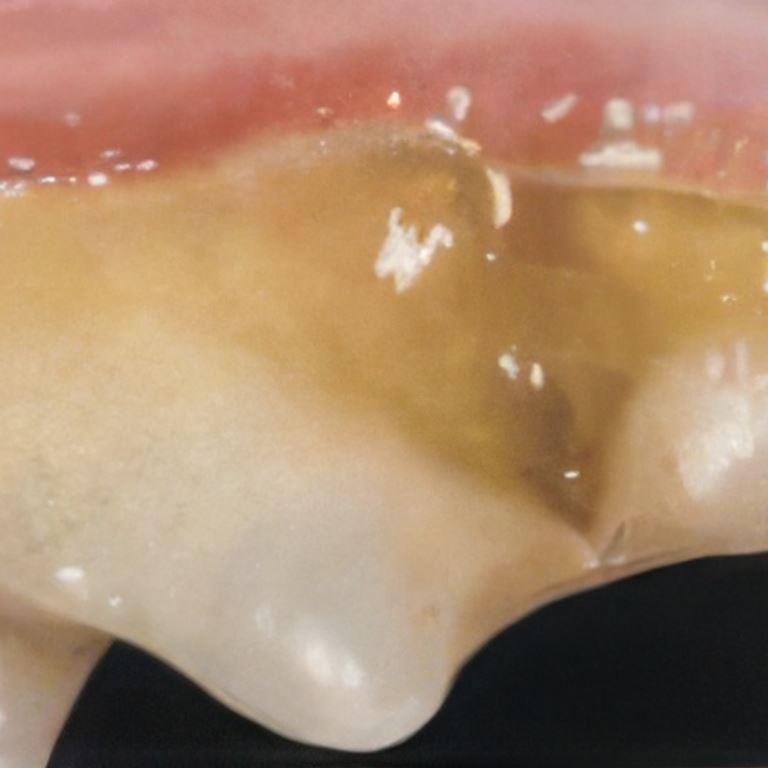 |
| Grade 2: Moderate tartar and early periodontal disease | 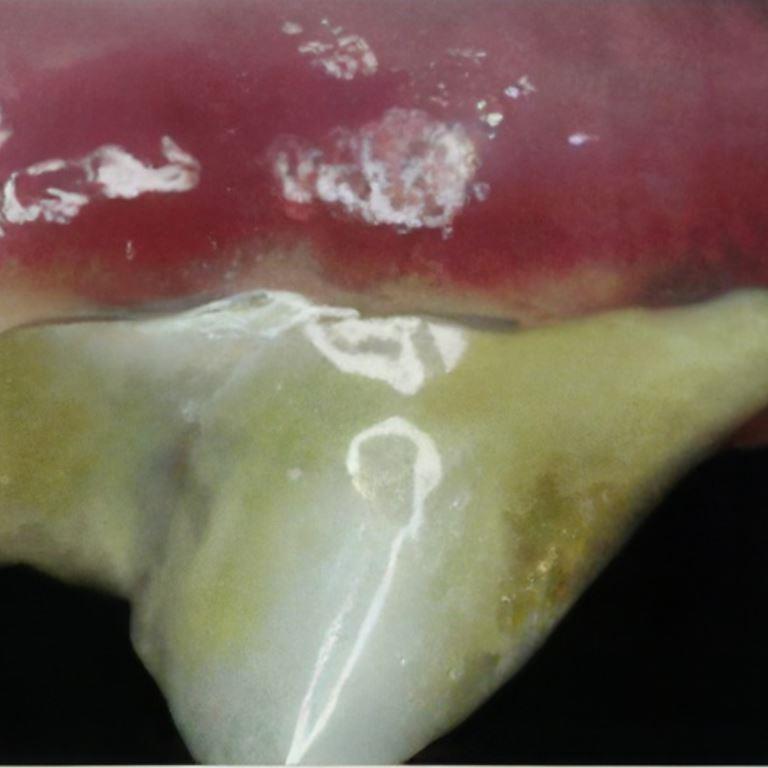 | 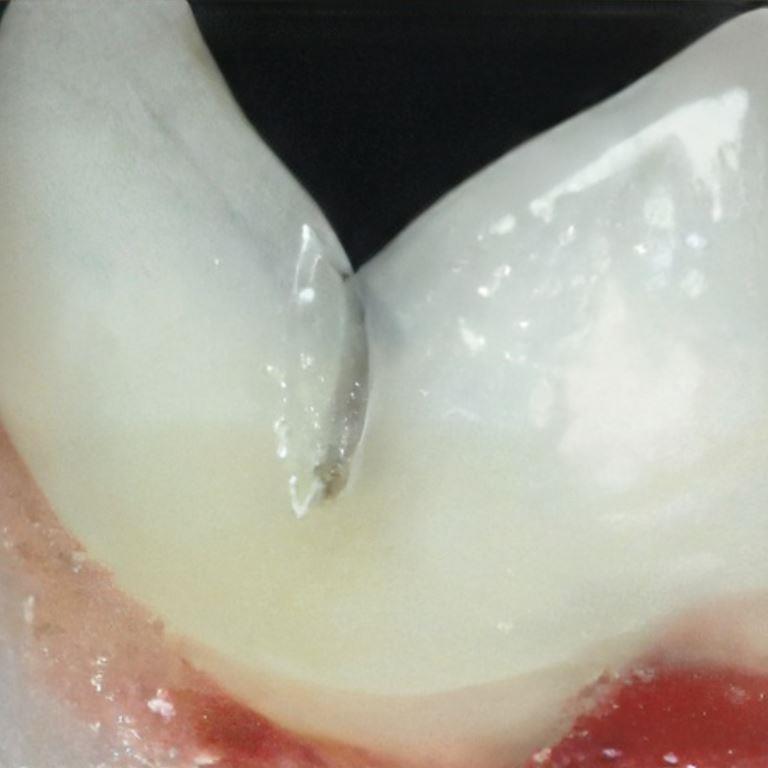 |
| Grade 3: Significant tartar with advanced periodontal disease and attachment loss | 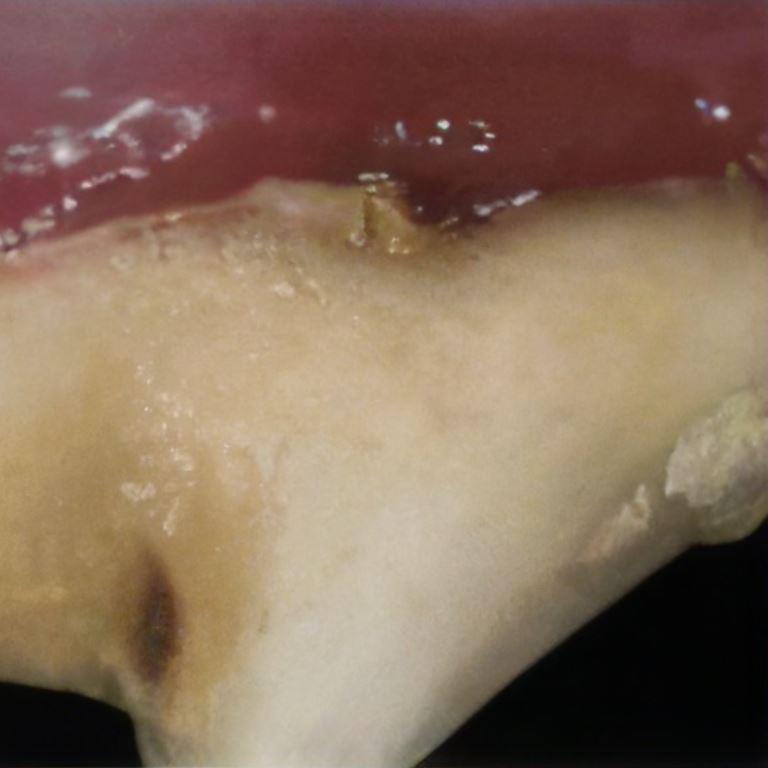 | 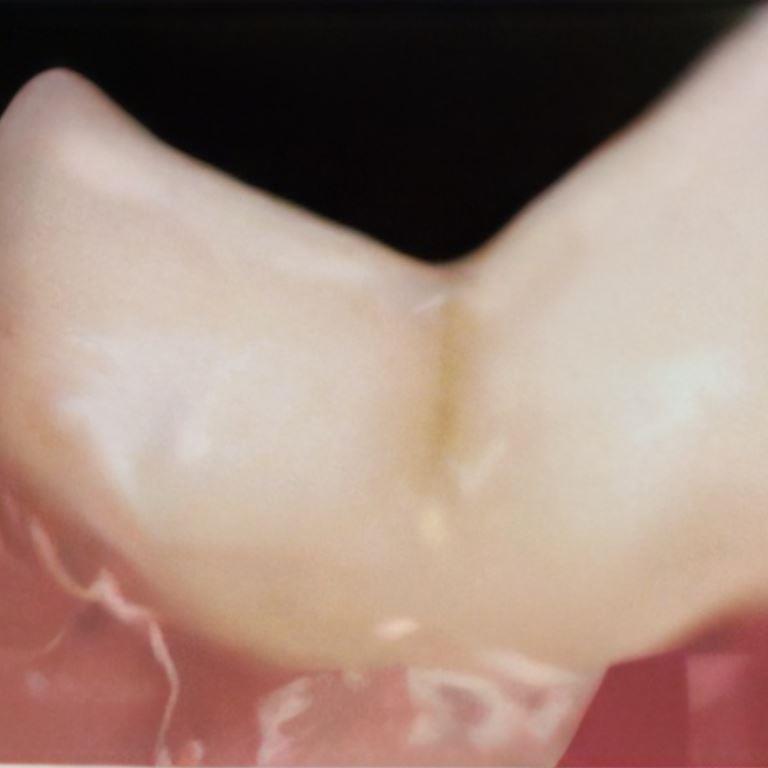 |
| Grade 4: Severe periodontal disease with substantial bone loss and tooth loss imminent | 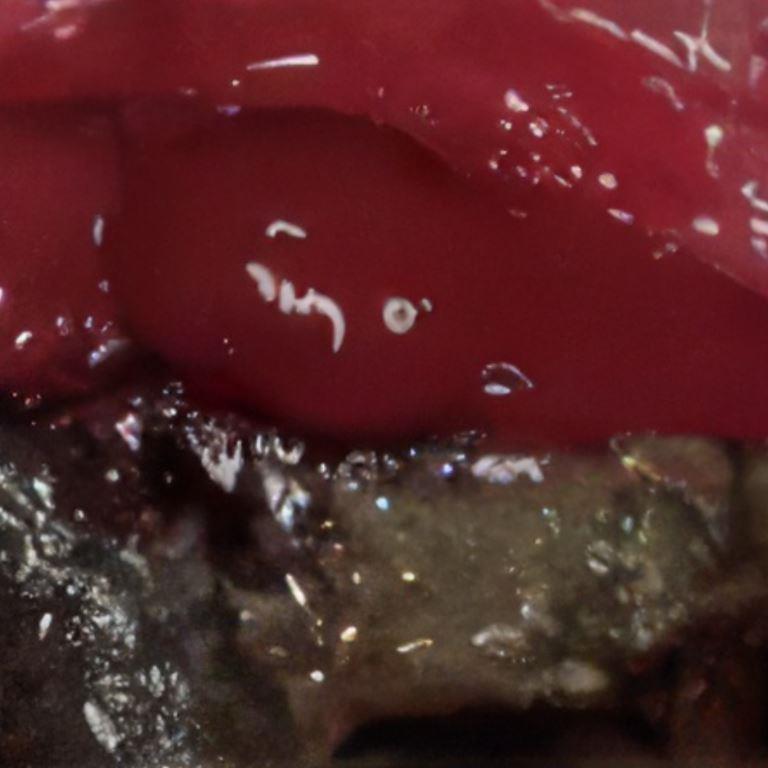 | 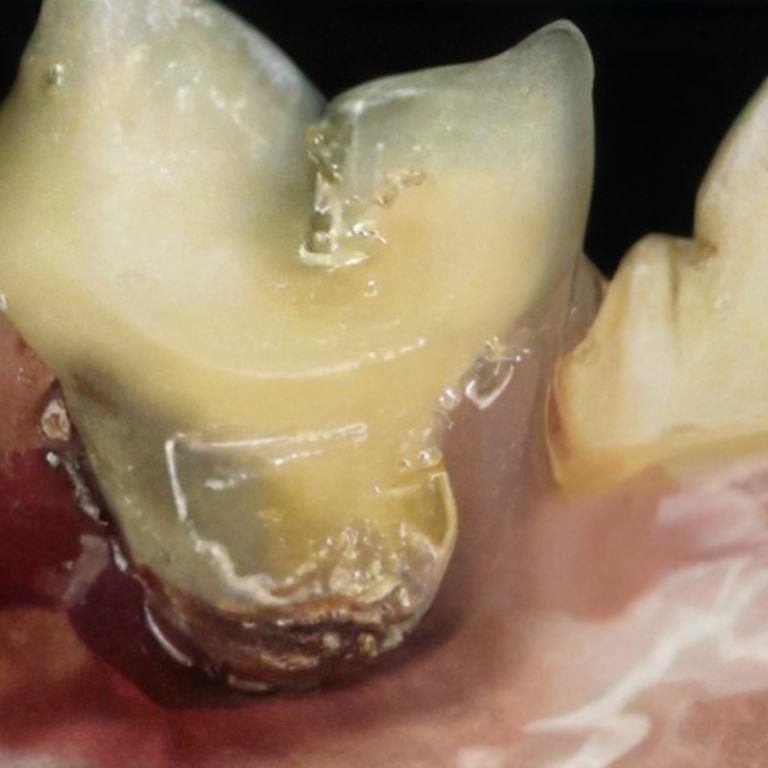 |
Grade 0: Healthy, no plaque or gingivitis
Canine
Feline
Grade 1: Mild gingivitis and plaque present; often reversible with brushing and appropriate dental care
Canine
Feline
Grade 2: Moderate tartar and early periodontal disease
Canine
Feline
Grade 3: Significant tartar with advanced periodontal disease and attachment loss
Canine
Feline
Grade 4: Severe periodontal disease with substantial bone loss and tooth loss imminent
Canine
Feline
The earlier disease is caught, the more conservative and comfortable the treatment can be. This is precisely where advanced imaging makes the biggest difference, catching Grade 1 and 2 changes long before they progress to Grade 3 or 4.
Home Care Still Matters, It’s Just Not the Whole Answer
Daily care at home remains a genuinely important part of your pet’s dental health, and we always encourage owners to:
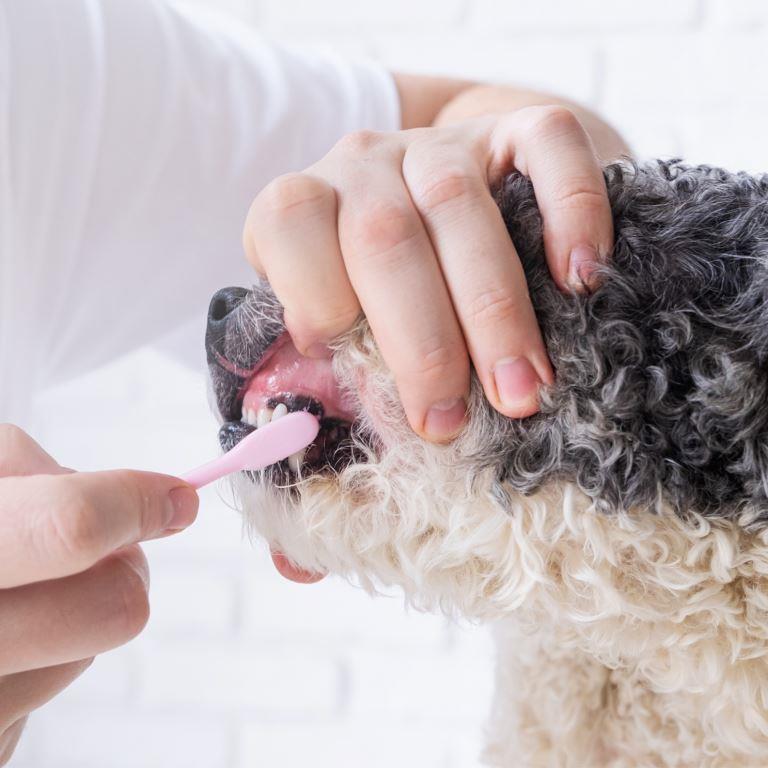
- Brush their pet’s teeth regularly
- Consider a dental-specific diet
- Use vet-recommended water additives
- Offer dental chews and toys designed to reduce plaque
- Stay consistent, since dental care is a long-term habit, not a once-off fix.
But home care manages the surface. It cannot detect disease developing beneath the gumline, around the roots or within the jaw. That is the job of regular professional dental checks, supported by imaging that sees what brushing never can
When to Book a Dental Assessment
If you have noticed any of the following, it is worth booking an assessment rather than waiting for symptoms to worsen:
- Smelly or persistent bad breath
- Dark spots, staining or visible tartar
- Red, ulcerated or bleeding gums
- Drooling, especially with blood
- Changes in eating habits or facial swelling
What Sets Hilton Veterinary Hospital Apart
Hilton Veterinary Hospital and Specialist Referral Centre brings resident surgical and medical specialists together under one roof, giving pet owners across KwaZulu-Natal access to specialist-level care. You can meet our team here.
We approach dentistry the same way we approach every specialist discipline: with advanced diagnostics, experienced clinicians and a commitment to treating the whole patient, not just the symptom in front of us.
Bad breath, dark spots and drooling are not just inconveniences to manage. They are your pet’s way of asking for help. With AI-assisted dental imaging, CT scanning and a specialist team, we can find out exactly what is going on and treat it properly, the first time.
If your pet is showing any signs of dental discomfort, call us on (033) 343-4602. We are based at 72 Hilton Ave, Leonard, Hilton, 3245, and serve pets across KwaZulu-Natal.