Helping Odin Breathe Again
For many flat-nosed breeds, noisy breathing, snorting and struggling in the heat are often dismissed as “normal for the breed”. But at Hilton Veterinary Hospital and Specialist Referral Centre, our specialists strongly disagree with that belief.
Breathing should not be difficult for any animal. When a dog struggles to get enough air, there is usually an underlying issue affecting their airway and quality of life. Odin’s case is one example of how these problems can be identified, treated and significantly improved.
BOAS, or Brachycephalic Obstructive Airway Syndrome, affects many flat-nosed breeds including French Bulldogs, Pugs and English Bulldogs. Whilst the signs often normalise when dogs are at rest in a cool environment, the condition itself can place constant strain on the airway, making everyday activities far more difficult than many owners realise.
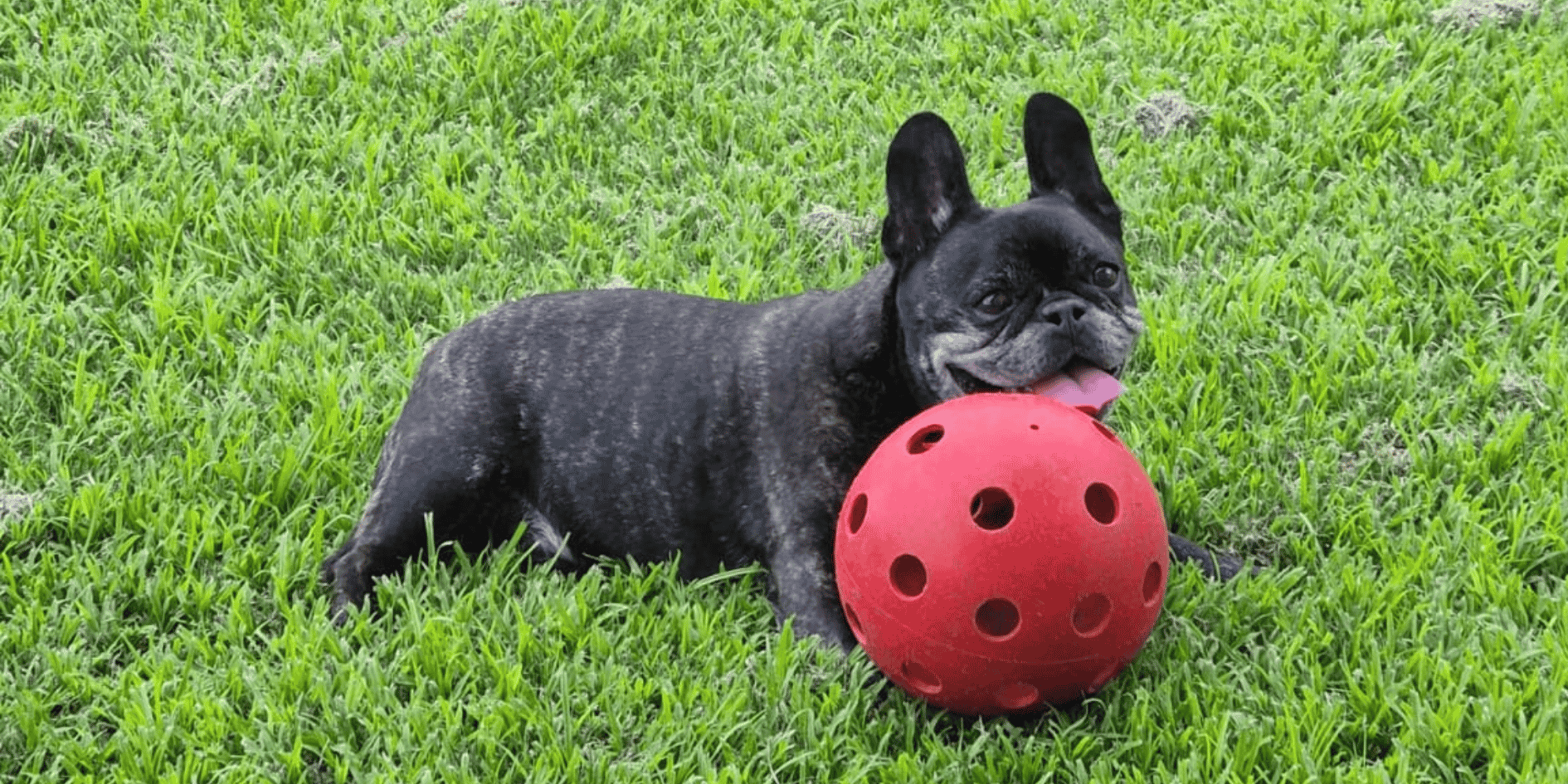
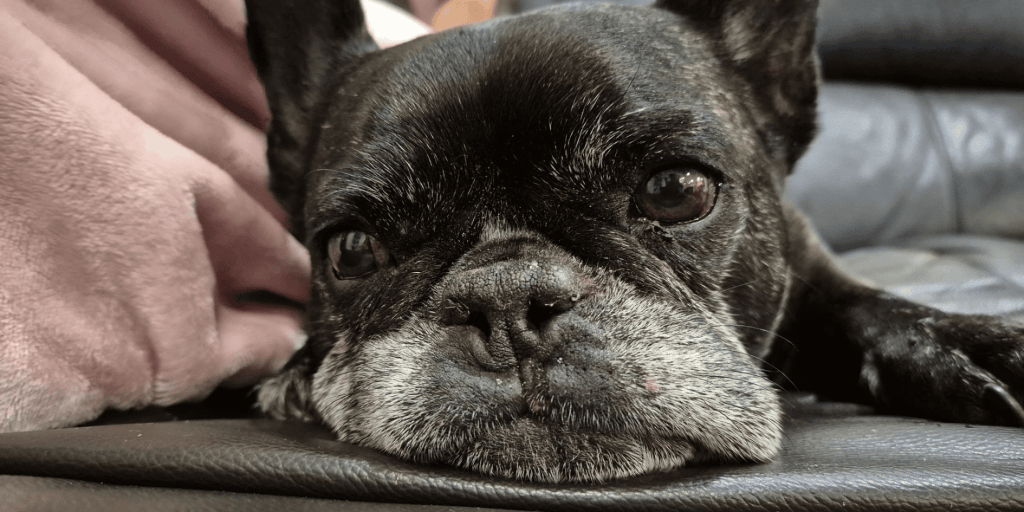
For Odin, an 11 year old French Bulldog, surgery was not simply about reducing snoring or noisy breathing. It was about improving airflow, reducing airway obstruction and helping him breathe more comfortably every day.
Why “Normal For The Breed” Can Be Dangerous
One of the biggest challenges with BOAS is that many symptoms are commonly accepted as part of a brachycephalic breed’s personality or appearance.
Signs often include:
• Loud breathing or snorting
• Difficulty exercising
• Excessive panting
• Poor heat tolerance
• Gagging or retching
• Disturbed sleep
• Breathing distress during excitement or stress
Over time, many owners become used to these signs because they are so common in flat-nosed breeds. But common does not mean healthy.
As mammals, breathing should happen easily and efficiently. If a dog is consistently struggling for airflow, it is often a sign that the airway, cardiovascular system and lungs are physically compromised.
Importantly, BOAS does not only affect the respiratory system. Many brachycephalic dogs also develop Gastroesophageal Reflux Disease (GERD), where stomach contents and acid move back into the oesophagus.
The relationship between these conditions is closely linked. Dogs with obstructed airways must generate increased negative pressure within the chest every time they breathe. Over time, this constant effort can disrupt the normal barrier between the stomach and oesophagus, allowing reflux to occur more easily. Many affected dogs also swallow excessive amounts of air due to chronic mouth breathing, increasing pressure within the stomach and further contributing to reflux.
GERD can cause significant discomfort and may contribute to ongoing inflammation of both the digestive and respiratory systems. In some patients, refluxed material can enter the airways, resulting in additional respiratory irritation and damage.
Signs of reflux may include:
• Regurgitation or vomiting, particularly after drinking or exercise
• Excessive lip smacking or drooling
• Repeated swallowing motions or air gulping
• Restless or disturbed sleep
• Excessive licking of surfaces or objects
Some dogs show only subtle signs. Restless sleep and repeated lip smacking may be the only indicators of oesophageal pain and discomfort.
Odin’s Case
Odin presented with airway obstruction consistent with BOAS. Using advanced CT imaging and 3D reconstruction technology, our team was able to evaluate the severity of his airway narrowing before surgery.
The preoperative scans revealed restricted airway space, limiting airflow through critical areas of the upper airway. Following corrective surgery, repeat imaging demonstrated a significant increase in airway volume.
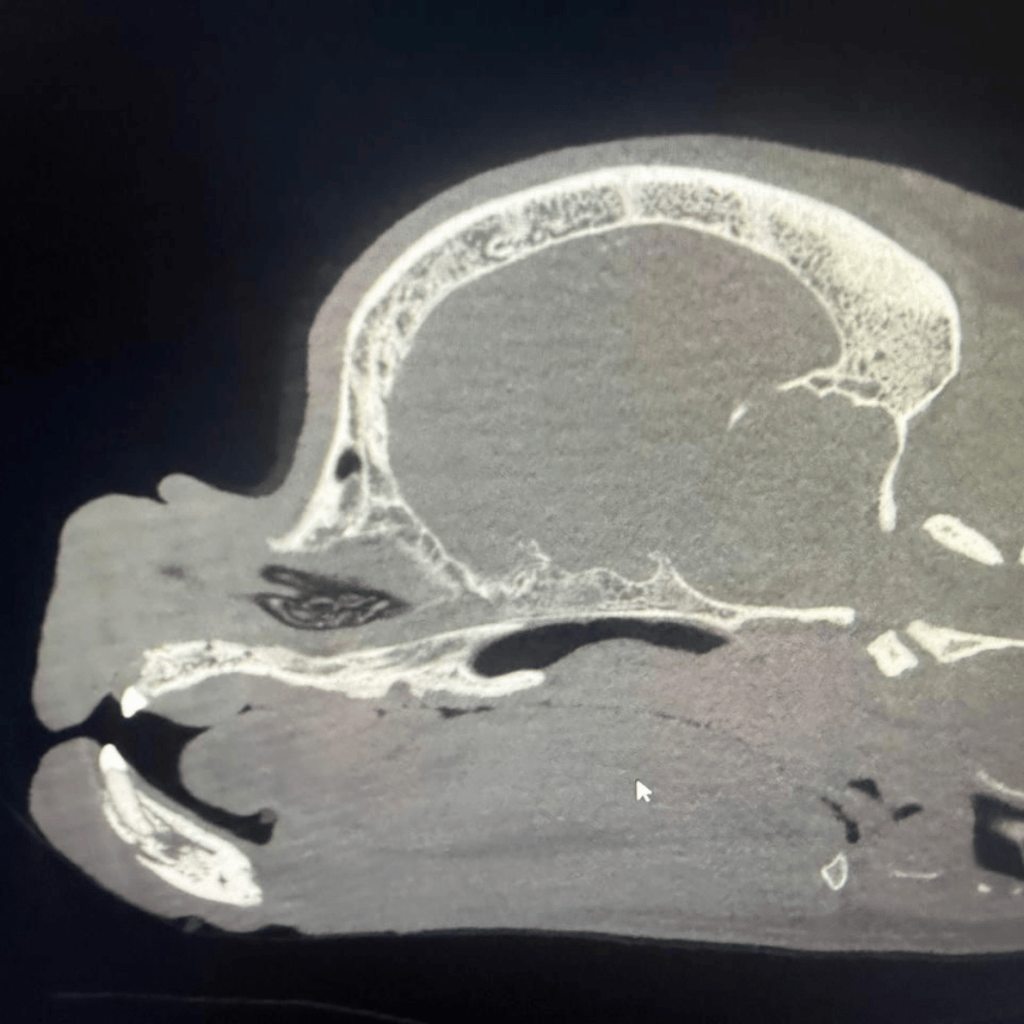
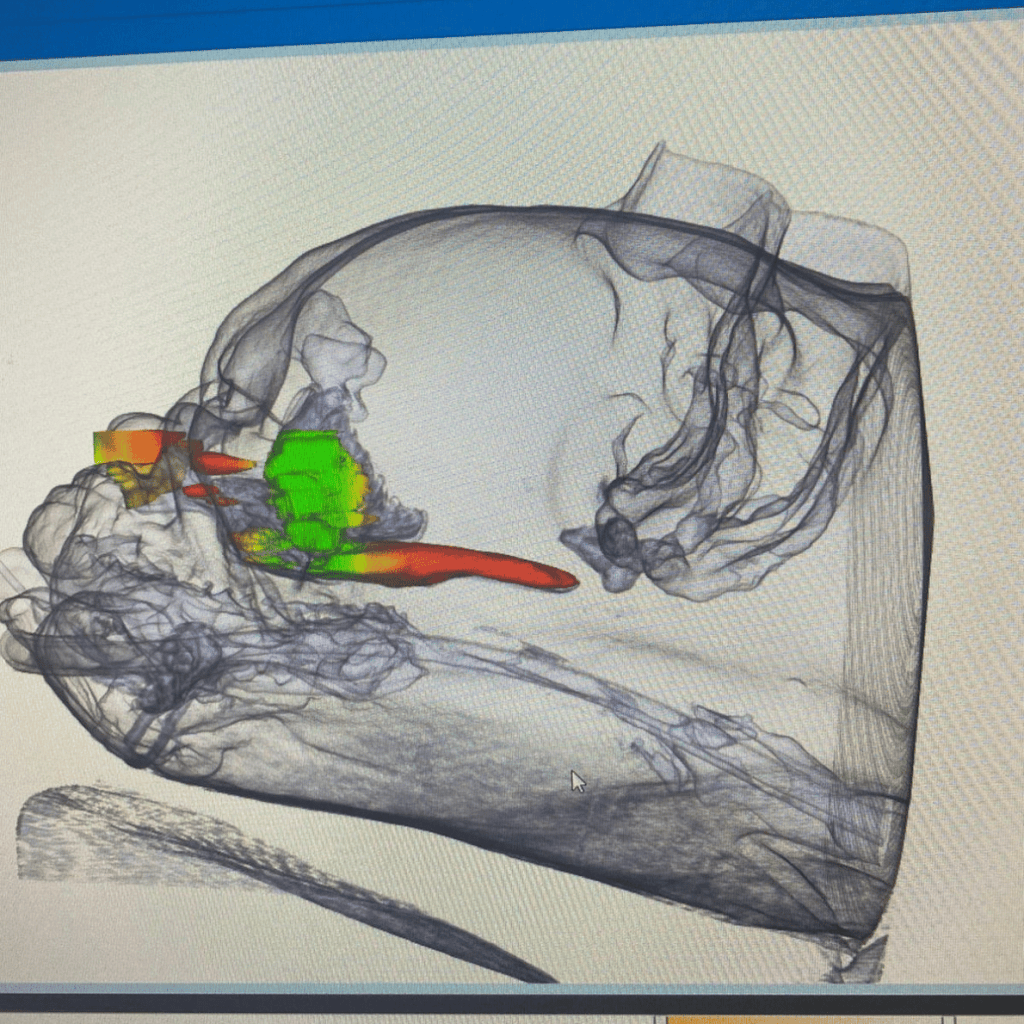
Preoperative CT scan and 3D reconstruction of Odin’s airways.
The postoperative scans showed a clear expansion in the air-filled regions within the airway, and therefore decreased negative pressure after surgery. Constant negative pressure is the driving force behind irreversible cartilage fatigue and airway collapse. It is also one of the factors that contributes to the development and progression of gastroesophageal reflux in affected patients.
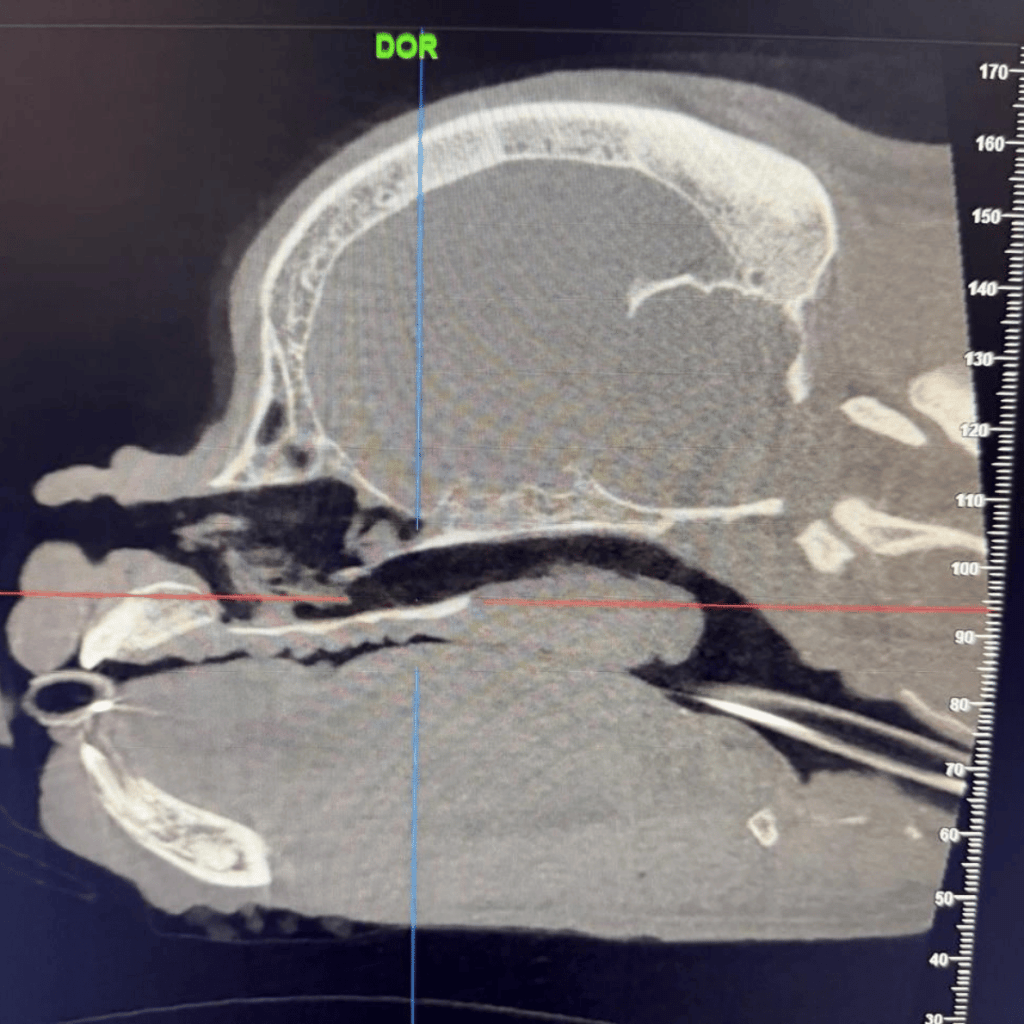
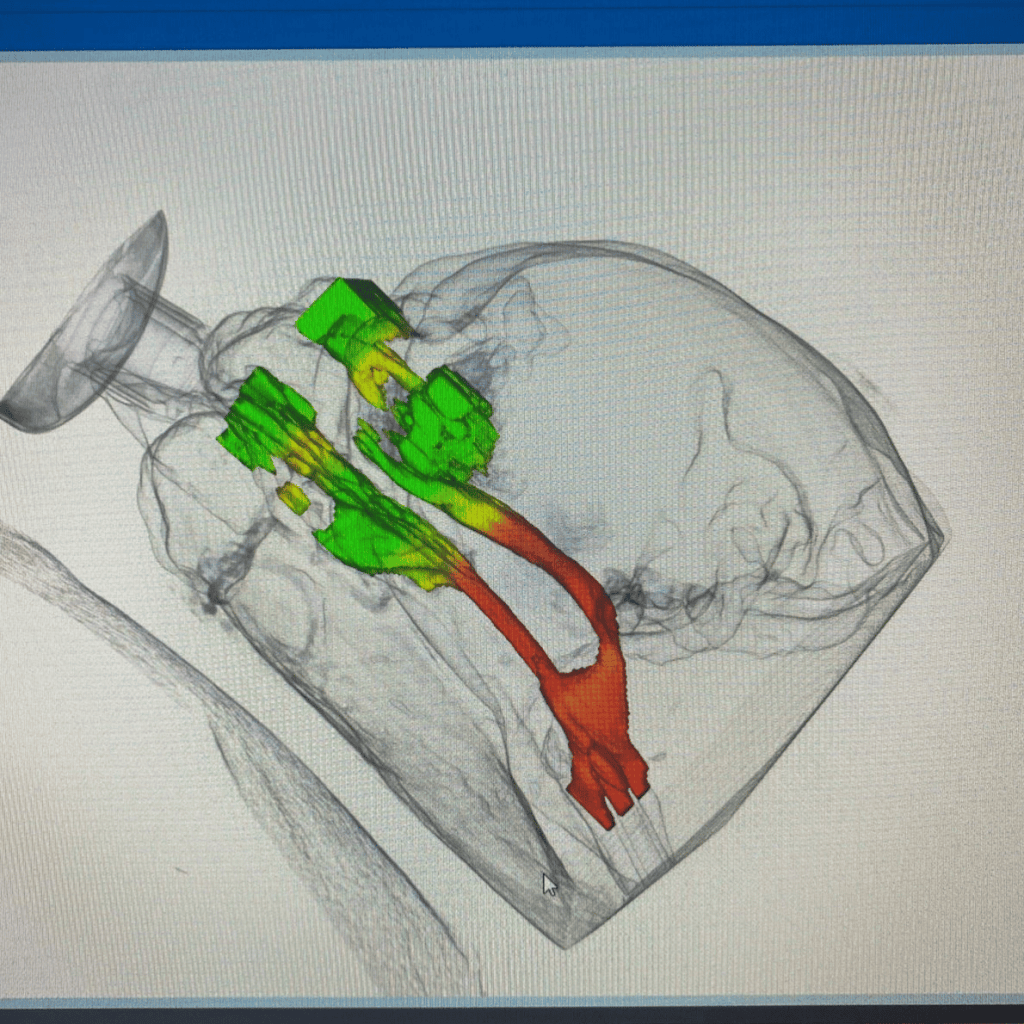
Postoperative CT scan and 3D reconstruction of Odin’s airways.
Why Advanced Imaging Matters
CT imaging provides specialists with a far more detailed understanding of airway anatomy than physical examination alone.
This technology allows veterinary teams to:
• Assess the extent of airway obstruction
• Identify multiple pinch points where greater turbulence is generated
• Plan surgery with greater precision
• Measure postoperative improvement
• Improve long-term patient outcomes
For patients like Odin, this allows treatment decisions to be based on objective anatomical changes rather than simply managing symptoms.
The Goal Of BOAS Surgery
The goal of BOAS surgery is not cosmetic. It is functional.
By improving airflow and reducing airway resistance, surgery can help dogs breathe more comfortably and reduce the physical effort required for normal daily activities.
In many patients, this can lead to:
• Improved breathing comfort
• Better sleep quality
• Increased exercise tolerance
• Reduced heat-related stress
• Reduced reflux-related discomfort
• Better overall quality of life
For Odin, postoperative imaging confirmed that surgery achieved a measurable improvement in airway capacity.
Difficulty Breathing Should Never Be Ignored
Flat-nosed breeds are deeply loved for their personalities and appearance, but chronic breathing difficulty should never be accepted as simply “part of the breed”.
At Hilton Veterinary Hospital and Specialist Referral Centre, we believe that if a dog is struggling to breathe, there is a reason for it and it deserves to be investigated properly.
With advanced imaging, specialist surgical expertise and a focus on long-term patient well-being, cases like Odin’s show how meaningful intervention can improve breathing, reduce the strain that contributes to reflux and improve overall quality of life.
If your dog struggles with noisy breathing, exercise intolerance, heat sensitivity, disturbed sleep or signs of reflux, a specialist airway assessment may help identify whether BOAS is affecting them more than it should.